
At every youth sports game, every neighborhood playground, every community track, there is rarely a time where you're thinking about what is under your feet. Parents are cheering. Kids are running. Coaches are coaching. The surface just works. That invisible reliability is what good infrastructure is supposed to deliver, and recycled rubber has become one of the most effective ways to provide it.
A Tire Problem That Became a Materials Solution
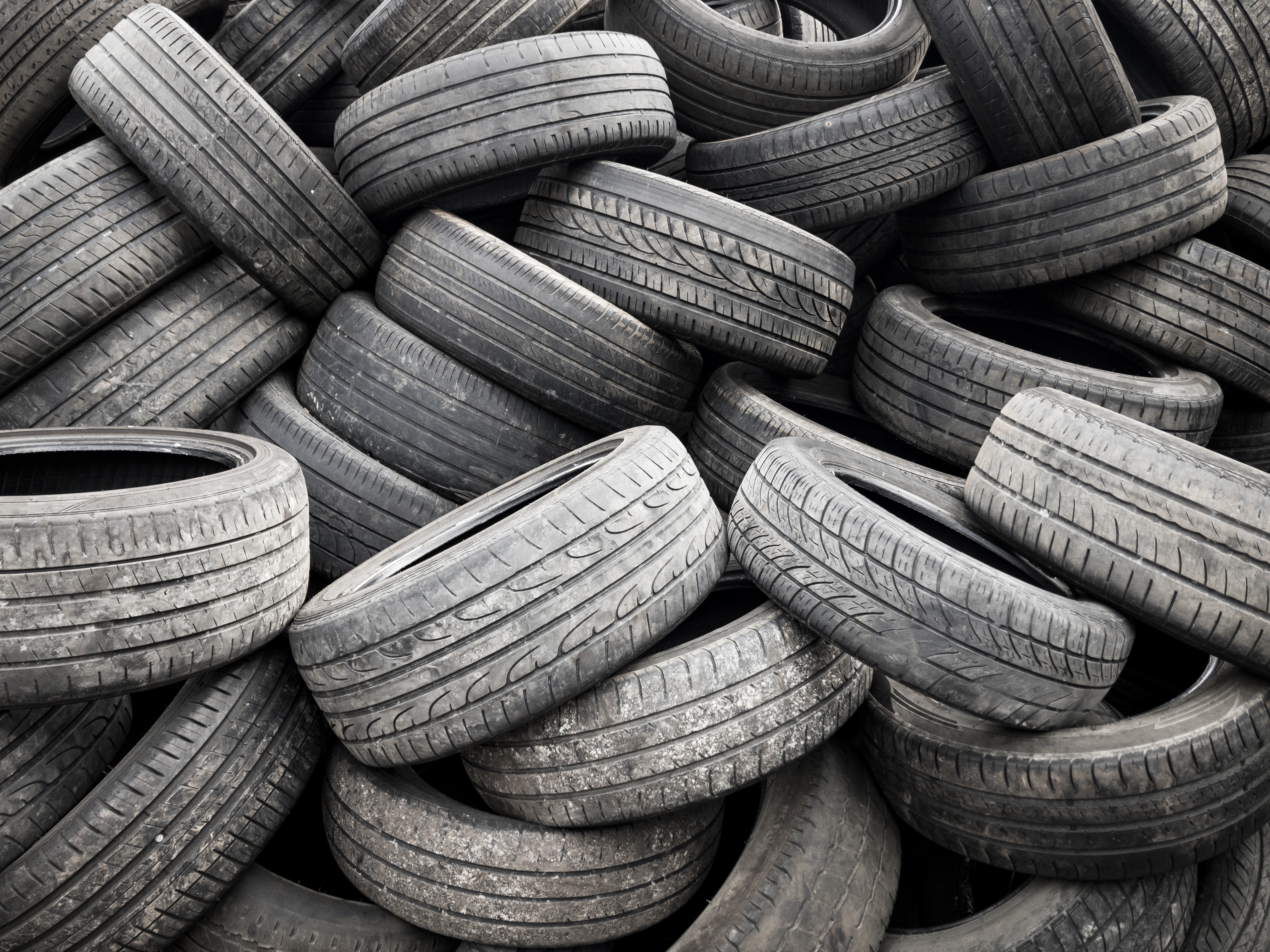
The numbers behind scrap tires in the United States are significant. An estimated 318 million replacement passenger tires are purchased in the US every year. Unlike many waste materials, tires do not biodegrade. Left in landfills, they stack up indefinitely, consuming enormous amounts of space and creating conditions that attract rats and mosquitoes. Burning them trades one problem for another, releasing harmful pollutants into the air.
Before states began passing scrap tire legislation, nearly 3 billion tires had accumulated in landfills across the country. That legislation pushed the industry toward recycling, and recycling pushed the industry toward innovation. Today, scrap tires are being processed into functional, durable products that communities actively want: playground surfaces, running tracks, athletic fields, landscaping materials, and more.
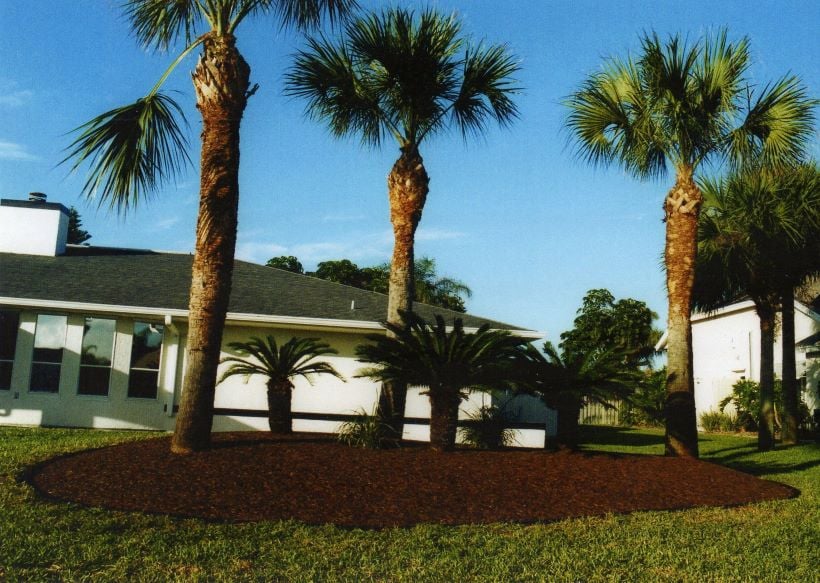
At Rubber Designs, that transformation is central to everything we manufacture. We use 100% recycled tire waste to create products that are better for the environment and built to perform. Our full line includes interlocking rubber tiles, rubber mulch, curb edging, and a range of landscaping and surfacing solutions, all sourced from recycled rubber and designed to last.
Reliability That Holds Up Season After Season
One of the most practical advantages of recycled rubber surfaces is their consistency. Natural grass fields require constant attention: drainage management, recovery time after heavy use, and sensitivity to weather that can render them unusable for days at a stretch. Recycled rubber surfaces simply do not have those vulnerabilities.
After rain, a rubber-surfaced field or playground is typically ready for use within minutes. There is no waiting for the ground to firm up, no rescheduling around conditions, no arriving to find a surface that looks more like a mud pit than a place to play. For community programs trying to make the most of limited field time and tight schedules, that dependability changes the entire operational picture.
What Decades of Research Confirms
The safety of recycled rubber in recreational and athletic applications has been one of the more thoroughly studied questions in the materials space. The EPA, Cal EPA, Cal OEHHA, and independent research institutions have examined it from multiple angles, looking at players of all ages, coaches, spectators, and health outcomes ranging from cancer and asthma to skin irritation and reproductive health across dozens of different fields.
The finding has been consistent across all of that research: crumb rubber infill in athletic and recreational surfaces does not meaningfully increase health risks for the people using them. Scientists have returned to this question repeatedly, and the conclusion has not changed.
Every Angle Points the Same Direction
What makes recycled rubber unusual as a policy and infrastructure choice is that the benefits stack cleanly without meaningful trade-offs.
Scrap tires stay out of landfills rather than piling up or being burned. Communities gain surfaces that require less maintenance and hold up better under heavy use. Kids and adults maintain consistent access to the outdoor programming that benefits them. And the budget savings on maintenance can flow back into programming, equipment, and expanded access for more people.
It is genuinely uncommon for a materials decision to deliver environmental, public health, community, and financial benefits simultaneously. Recycled rubber is one of the rare cases where it does.
Rubber Designs: 15 Years of Putting Recycled Rubber to Work
Quality in recycled rubber products starts with how seriously a manufacturer takes the process. At Rubber Designs, that commitment has been built over 15 years of working with recycled materials to develop surfacing and landscape products that meet a high bar for performance and consistency.
Every product in our line is manufactured from 100% recycled tire waste and held to rigorous quality standards throughout production. Our approach to innovation means we are not simply processing scrap rubber and packaging it. We are engineering products, from interlocking tiles to rubber mulch and landscaping edging, that are designed to function well, look good, and contribute to a more sustainable built environment.
When you choose Rubber Designs, you are choosing a product that is better for the earth, sourced responsibly, and backed by a manufacturer that has spent over a decade refining what recycled rubber can do.
Explore our products and find the recycled rubber solution that fits your next surfacing project. Start a quote today.

.jpg)
-1.jpg)