
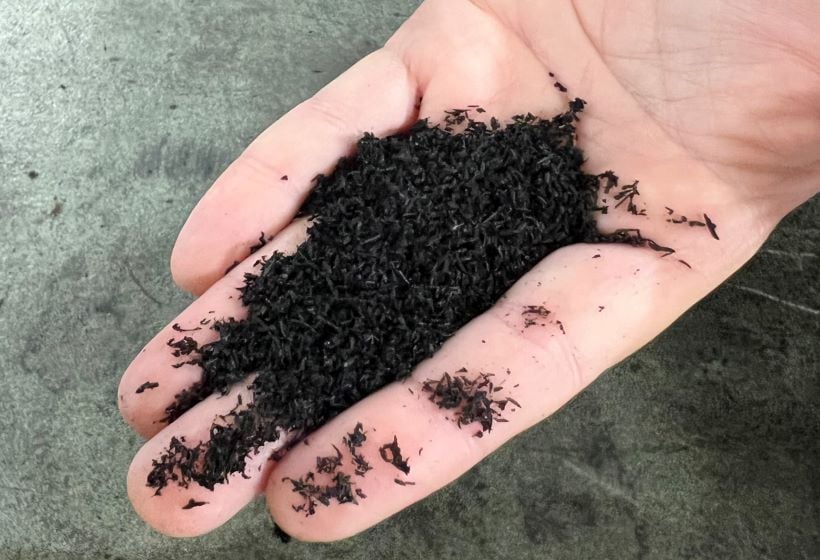
Recycled rubber can transform used tires into durable, cushioned play surfaces through collection, sorting, mechanical processing, and manufacturing. The recycled rubber can become rubber mulch, interlocking rubber tiles, or used in poured-in-place surfacing. Keep in mind that proper site preparation, drainage, fall-height requirements, ASTM standards, and certification are important when selecting and installing any playground surface.
Key Takeaways
- Used tire and tire derivatives such as buffings are collected and utilized in playground surfacing construction.
- Certain tires are granulated and processed to create clean crumb rubber.
- Magnets and screening systems are utilized to remove metal and textile fibers from the rubber.
- Recycled tire derivatives can be manufactured into colored mulch, interlocking tiles, or poured-in-place surfacing base layer.
- Proper site preparation, drainage, and leveling are essential for surface performance.
- ASTM F1292 addresses impact attenuation, while ASTM F1951 addresses accessibility.
- IPEMA certification can provide additional third-party verification of applicable safety testing.
- Buyers should evaluate material sourcing, binders and understand any maintenance required, that should be included in additional long-term costs before selecting a product.
Ever wondered what happens to old used tires?
According to USTMA, 79% of end-of-life tires were recycled in 2023. These tires can be used for various applications, including recycled rubber used in playground surfacing and interlocking tiles. These have become one of the most popular choices for schools, municipalities, and parks alike, and it's easy to see why.
They're durable and give old tires a second life instead of sending them to a landfill. But how exactly does a worn-out tire transform into the bouncy, protective surface your children play on every day?
The journey involves a few key stages, including collection, processing, and manufacturing into a finished product. Let's walk through each step so you can understand exactly what goes into the surface beneath your playground equipment.
Where Used Tires Come From and How They're Collected
Every recycled surface you walk on starts with tires that vehicles no longer need. Rubber recycling depends on a steady and predictable supply. Used tires are one of the most abundant waste streams in the country.
Your feedstock comes from a few familiar sources:
- Tires that have been replaced from local automotive repair shops
- Fleet operations that rotate through large volumes of tires
- Tire retailers that swap out worn sets during routine sales
- Tire retreaders
- Landfill diversion programs and dedicated tire collection sites
Getting that material to a processor takes coordination. Tire dealers, waste management companies, and specialized collection networks aggregate loads and haul them to recycling facilities.
But before anything gets ground down, workers sort usable tires from non-recyclable waste. Metal rims come off, and early inspection flags heavily contaminated or damaged units. This sorting keeps the incoming stream clean and consistent, which pays off in the quality of your finished product later.
Quick Fact: Most recycled rubber playground surfaces begin with tires collected from automotive shops, tire retailers, tire retreaders, fleet operations, and tire collection programs.
Mechanical Processing: From Whole Tires to Shredded Rubber
Once clean tires reach a plant, the size-reduction phase begins. The rubber recycling process relies on heavy industrial equipment to break solid tires into workable particles.
This typically includes:
- Shredders cut whole tires into large chunks, making the material easier to feed into finer machines.
- Granulators grind those chunks into smaller, more uniform pieces.
- Mills and classifiers refine the granules into crumb rubber and fine particles.
Two forms of cleanup happen alongside the grinding. Powerful magnets pull out the metal wire woven into every tire, and screening systems separate textile fiber from the rubber.
The output comes in different grades, and each grade suits a different purpose. Larger rubber sizes works well for loose-fill mulch and some bonded surfacing systems. Finer particles feed into running tracks, trails systems and some poured products. Sorting by size at this stage gives manufacturers the flexibility to produce several surface types from the same source material.
Good to Know: The cleaner the recycled rubber, the more consistent the playground or running track surface will appear. Removing steel and textile fibers is an important part of producing quality crumb rubber.
Creating Finished Playground Products: Three Main Routes
Clean crumb rubber and rubber buffing materials can travel down three distinct manufacturing routes, and each one produces a different kind of rubber playground surfacing. The right choice depends on your budget, appearance, accessibility goals, and how the space will be used.
Route 1: Loose-Fill Rubber Mulch
Loose-fill rubber mulch is the easiest option. It can be colored if you want a specific look, then bagged for ease of install. On-site, crews spread it over a compacted base to a set depth. Because it stays loose, loose-fill rubber mulch drains well and cushions falls nicely. However, it requires occasional raking and compaction to keep the coverage even.
Route 2: Bonded Rubber Mulch
A recycled rubber playground surface made from recycled buffings mixed with a polyurethane binder. The blend gets poured on-site and troweled to interlock and can be installed in a single seamless layer depending on the size.
This keeps the natural, wood-mulch look many designers prefer while adding shock absorption and staying locked in place. Zoos, them parks, and recreational parks favor this style for its clean natural appearance.
Route 3: Rubber Tiles and Poured-in-Place
Recycled rubber flooring is the most sophisticated option. It's typically available as interlocking modular tiles and poured-in-place systems. Manufacturers mold tiles under precise conditions, sometimes using EPDM granules over a cushion base.
Poured-in-place surfaces allow custom colors, patterns, and even graphics, which appeal to designers working on branded or themed spaces. Installation varies more with these systems, since curing, temperature, and technique influence the final finish.
Pro Tip: Don't choose a playground surface based on appearance alone. Consider fall height, drainage, accessibility, maintenance needs, installation requirements, and long-term costs before selecting a product.
Installation and Site Preparation
No matter which product route your project takes, proper site preparation makes all the difference. Even the best recycled rubber playground will underperform if the site prep falls short. Good preparation protects the surface, supports drainage, and helps your play area meet fall-height requirements.
Site prep usually includes:
- A compacted stone or aggregate base for stability
- Proper drainage so water moves away instead of pooling
- Sub-surface leveling to create an even foundation
- Edging or containment systems to hold the material in place
For loose-fill installation, crews typically spread the material and manually compact it to a specific depth based on fall attenuation requirements. This depends on the product and the height of nearby play equipment. The goal is always to give your kids enough cushioning to prevent injury from typical falls.
Bonded and poured-in-place installations require a bit more installation skills. Curing time depends on the local climate. You also need to pay close attention to temperature and humidity while applying color and finishing touches. It's a more involved process, but it results in a smooth, professional-grade surface built to last.
Safety Tip: Always match the playground surface's tested impact attenuation to the fall height of the equipment. A surface should be evaluated for the specific conditions of the playground rather than selected solely by material type.
Quality Standards and Certification
When evaluating vendors or comparing products, safety standards should be at the top of your checklist. Reputable manufacturers test their recycled rubber surfaces against appropriate ASTM F-series standards for playground safety.
You should be aware of these two benchmarks:
- ASTM F1292, which measures impact attenuation, or how well a surface reduces the force of a fall from a given height
- ASTM F1951, which evaluates accessibility for wheelchairs and mobility devices
IPEMA certification is another certification worth checking, since it confirms that a product has been tested against the appropriate standards through third-party verification. ADA accessibility requirements also guide product selection, especially for public spaces that welcome visitors of every ability.
Good to Know: ASTM F1292 and ASTM F1951 address different aspects of playground surfacing. F1292 focuses on impact attenuation, while F1951 evaluates accessibility for mobility devices.
Why the Process Matters for Sourcing Decisions
Knowing how a surface comes together makes vendor evaluation far easier. A supplier that controls quality through finished product tends to deliver more consistent results.
Quick Takeaway: The best recycled rubber playground surface isn't necessarily the cheapest option. Compare upfront cost, expected lifespan, maintenance, safety performance, accessibility, and installation requirements to determine the best long-term value.
Get Recycled Rubber Flooring for Your Community
From a discarded tire to the cushioned surface under your swing set, recycled rubber in playgrounds help turn waste into something genuinely useful. Now that you know how it all comes together, you can choose playground surfacing for your project with more confidence.
Rubber Designs is your partner in durable, recycled playground surfacing built to keep play areas beautiful for years to come. From loose-fill mulch to custom poured-in-place materials, we help you find the right materials or surface for your space, budget, and community.
Ready to give your playground a safer, greener foundation? Contact us today for a personalized quote.
Frequently Asked Questions
Is recycled rubber in playground surfacing designed with safety in mind?
Yes, properly installed recycled rubber playgrounds are designed to cushion falls and reduce injuries, which is exactly why safety benchmarks like ASTM F1292 exist. Always choose a surface that meets the right fall-height rating for your equipment and carries IPEMA certification.
How long does a recycled rubber surface last?
Depends on the type you choose. Loose-fill rubber mulch can last many years with occasional topping off. Bonded and poured-in-place systems often provide a decade or more of dependable service with proper care. Good site prep and quality materials go a long way in expanding that lifespan even further.
Are recycled rubber playgrounds good for the environment?
Yes, because recycled rubber playgrounds keep used tires out of landfills and give them a productive second life. This makes them a genuine win for your community and the planet.
How much does a recycled rubber playground surface cost?
Costs vary with the route you pick. Loose-fill mulch is the most budget-friendly option up front, while bonded and poured-in-place systems cost a bit more. Weighing your site's traffic against your budget helps you land on the best deal.
Can I customize the color and design of my playground surface?
Poured-in-place systems let you choose custom colors, patterns, and even graphics. You can match your brand, a theme, or your community's personality. It's one of the biggest perks of choosing recycled rubber surfaces for your space.
Interlocking Tiles let you choose custom colors, ADA Ramps and other molded accessories.
